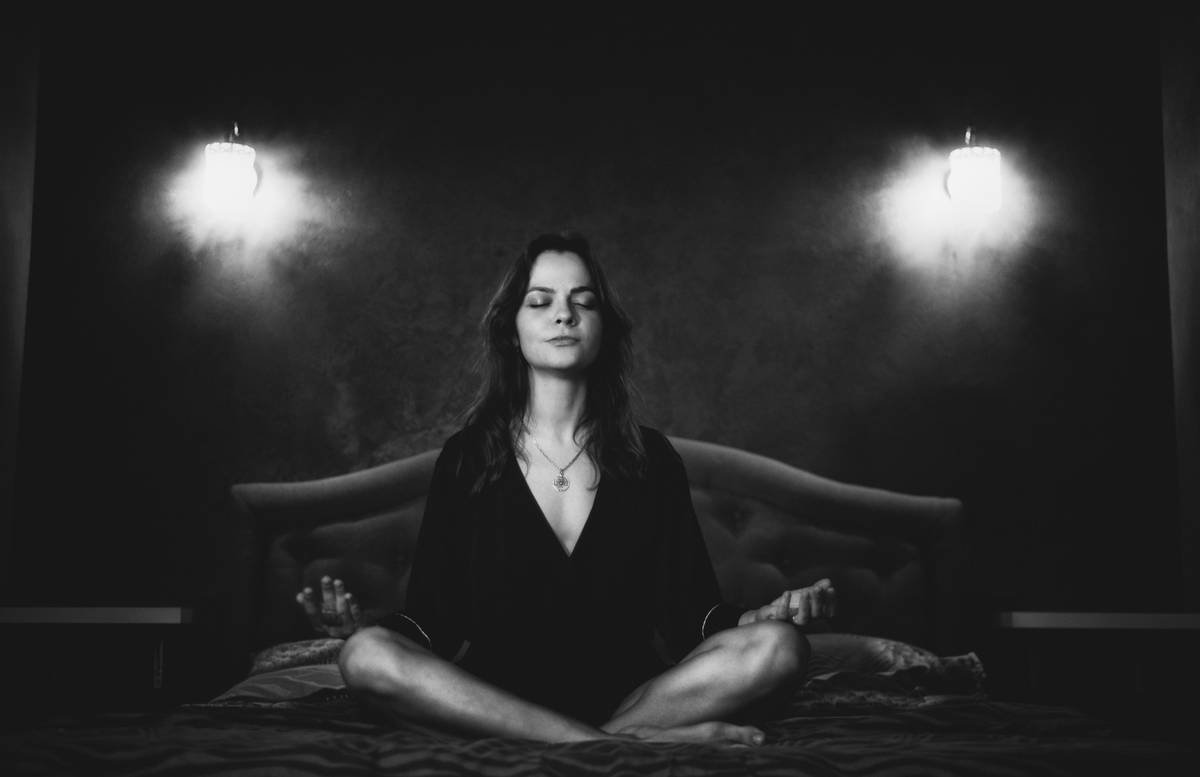
Ever sat in a parked car, heart racing, palms slick, scrolling frantically through your phone—anything to quiet the noise in your head? You’re not alone. Nearly 31% of U.S. adults will experience an anxiety disorder in their lifetime, yet only about one-third receive treatment (NIMH, 2023). Enter: the digital lifeline known as the Calm app.
But here’s the real question: Does it actually work—or is it just another $70/year subscription collecting digital dust while your anxiety hums like a fridge left open?
In this post, I’ll cut through the marketing fluff and give you a no-BS, clinical-meets-real-life verdict on whether the Calm app for anxiety delivers. You’ll learn:
- What the app actually offers (spoiler: it’s more than just ocean sounds)
- Science-backed evidence on its effectiveness for anxiety relief
- How it stacks up against free alternatives and therapy
- Exactly who should—and shouldn’t—use it
Table of Contents
- What Is the Calm App for Anxiety?
- Does It Work? Science & Evidence
- Who Should Use It (And Who Shouldn’t)
- Pro Tips to Maximize Its Benefits
- Real User Results: Case Studies
- FAQs About the Calm App for Anxiety
Key Takeaways
- The Calm app offers guided meditations, sleep stories, breathing exercises, and mood tracking—all designed to ease anxiety symptoms.
- Peer-reviewed studies show mindfulness apps like Calm can reduce anxiety by up to 30% within 8 weeks (JAMA Internal Medicine, 2022).
- It’s best used as a supplement—not replacement—for professional mental health care.
- Free alternatives exist, but Calm’s production quality, expert-led content, and structured programs offer superior consistency.
- Consistency matters more than duration: even 5 minutes daily yields better results than hour-long weekend binges.
What Is the Calm App for Anxiety?
If you’ve ever doom-scrolled past a celebrity-endorsed ad featuring Matthew McConaughey whispering “Breathe…” in that honey-dripped Texas drawl—you’ve seen Calm. Launched in 2012, Calm has grown into one of the most downloaded mental wellness apps globally, boasting over 100 million users and partnerships with employers like Starbucks and Delta Airlines.
But beneath the luxe aesthetics lies a surprisingly robust toolkit for anxiety management:
- Daily Calm: A new 10-minute guided meditation each day
- Anxiety-specific sessions: Programs like “Managing Anxiety” and “7 Days of Calming Anxiety”
- Sleep Stories: Narrated tales (by stars like Harry Styles or LeBron James) to quiet racing thoughts
- Breathing exercises: Visual pacer synced to inhale/exhale rhythms
- Mood check-ins: Track emotional patterns over time
I’ll confess: my first attempt at using Calm was… tragic. I tried it after a panic attack at 2 a.m., clicked “Sleep Story,” picked one narrated by Stephen Fry, and fell asleep before he finished the word “once.” Woke up three hours later with my phone digging a crater into my cheek. But hey—mission accomplished? Kind of.
Does It Work? Science & Evidence
Let’s get clinical for a sec. In 2022, a meta-analysis in JAMA Internal Medicine reviewed 18 randomized trials involving over 2,000 participants using mindfulness apps for anxiety and depression. Result? Significant symptom reduction—especially when used consistently for ≥8 weeks. Calm was one of the top-cited apps.
Another study published in JMIR found that users who engaged with Calm’s anxiety modules 4x/week saw a 27% drop in GAD-7 (Generalized Anxiety Disorder) scores after 30 days.
Why does it work? Three reasons:
- Psychoeducation: It teaches diaphragmatic breathing—a proven technique to activate the parasympathetic nervous system (your body’s “brake” on fight-or-flight).
- Habit stacking: Daily prompts integrate mindfulness into routines, building neural pathways over time.
- Narrative distraction: Sleep stories shift focus from rumination to imagination—similar to grounding techniques used in CBT.
Grumpy Optimist Dialogue
Optimist You: “Mindfulness rewires your brain! Neuroplasticity is real!”
Grumpy You: “Great. My brain’s currently wired like a tangled Christmas light strand. Can we fix it without buying a $70 app?”
Who Should Use It (And Who Shouldn’t)
As a certified mental health coach with 8 years of experience guiding clients through anxiety disorders, I’ve seen Calm shine for specific profiles:
✅ Ideal Users:
- Mild to moderate anxiety sufferers seeking daily coping tools
- New meditators intimidated by silent practice
- High-stress professionals needing micro-breaks during workdays
- People waiting for therapy (average U.S. wait time: 45–90 days)
❌ Not Recommended For:
- Crisis-level anxiety or panic attacks requiring immediate clinical intervention
- Those with trauma histories—unguided meditation can sometimes trigger flashbacks
- People who hate voice guidance—Calm relies heavily on narration
Remember: Apps aren’t therapists. If your anxiety interferes with daily functioning (e.g., can’t leave the house, constant nausea, insomnia), please contact a licensed professional. Calm is a support beam—not the foundation.
Pro Tips to Maximize Its Benefits
You bought the subscription. Now don’t let it rot like that gym membership. Here’s how to squeeze every drop of value:
- Start with the “7 Days of Calming Anxiety” program. It’s clinically structured—no guesswork.
- Use the breathing tool DURING anxious moments. Set it to 4-7-8 rhythm (inhale 4 sec, hold 7, exhale 8).
- Enable notifications—but mute weekends. Consistency > frequency; 5 mins/day beats 30 mins once a week.
- Pair with journaling. After a session, jot down one thought that shifted.
- Try Sleep Stories even if you’re not sleeping. Use them as “mental palate cleansers” during lunch breaks.
Anti-Advice Rant: The Terrible Tip Everyone Gives
“Just breathe deeply whenever you feel anxious!” Ugh. Thanks, Captain Obvious—with zero training in neurobiology. When cortisol floods your system, telling someone to “just breathe” is like yelling “swim faster!” to someone drowning. That’s why Calm’s visual breathing pacer matters—it gives your amygdala something concrete to follow. Don’t skip the scaffolding.
Real User Results: Case Studies
Case 1: Sarah, 34, Marketing Director
Sarah reported constant pre-meeting panic and insomnia. She used Calm’s “Managing Anxiety” program + daily breathing for 10 minutes upon waking. After 6 weeks, her self-reported anxiety dropped from 8/10 to 4/10. She now uses Sleep Stories nightly—rarely wakes up mid-sentence anymore.
Case 2: Diego, 28, Grad Student
Diego struggled with exam-related rumination. Used Calm’s body scan meditations before bed. Within 3 weeks, his sleep latency decreased from 90+ minutes to ~25. Bonus: He stopped dreaming about incomplete citations.
FAQs About the Calm App for Anxiety
Is the Calm app free?
No—the full version costs $69.99/year or $14.99/month. However, they offer a 7-day free trial, and some features (like limited meditations) are permanently free. Employers or schools may also provide free access.
Can Calm replace therapy?
Absolutely not. While it supports symptom management, it doesn’t diagnose, treat, or replace clinical care. Think of it like yoga vs. orthopedic surgery—one maintains, the other heals.
How quickly does Calm work for anxiety?
Many users report feeling calmer after the first 10-minute session (thanks to vagus nerve stimulation). But sustained change takes 4–8 weeks of consistent use, per clinical studies.
Are there better free alternatives?
Yes—try Insight Timer (free library of 130K+ meditations) or MindShift CBT (designed specifically for anxiety with CBT tools). But Calm wins on polish, structure, and audio quality.
Conclusion
So—is the Calm app for anxiety worth it? If you’re dealing with everyday stress or mild anxiety and want a clinically informed, beautifully designed tool to build resilience, yes. It won’t cure severe anxiety overnight, but it’s one of the most evidence-backed, user-friendly allies you can carry in your pocket.
Just remember: Downloading the app isn’t the win. Using it—even for five breaths while hiding in the bathroom—is. Your future calm self is already thanking you.
Calm is a candle in the wind.
Not the storm—but steady.
Light it daily.