
Ever sat at your desk with your heart pounding like a bass drop at a silent disco—yet you’re just replying to an email? You’re not alone. According to the American Psychological Association’s Stress in America 2023 report, 76% of adults say stress negatively impacts their mental health. But here’s the twist: what if your smartphone—the very device blamed for digital burnout—could actually help you dial down that internal chaos?
In this post, we’ll cut through the noise around “mindfulness apps” and zero in on a science-backed subset: biofeedback apps. These aren’t just pretty breathing animations. They use real-time physiological data (like heart rate variability or galvanic skin response) to teach your nervous system how to self-regulate under pressure.
You’ll learn:
- How biofeedback actually works (and why it’s different from meditation apps)
- Step-by-step guidance to choose and use a biofeedback app effectively
- Honest reviews of top contenders—plus one terrible tip to avoid
- Real-world results from users (including my own sweaty-palmed journey)
Table of Contents
- Key Takeaways
- What Are Biofeedback Apps—and Why Should You Care?
- How to Use Biofeedback Apps Like a Pro (Not a Passive Scroller)
- 5 Best Practices Backed by Neuroscience
- Real Results: Case Studies That Aren’t Fluff
- FAQs About Biofeedback Apps
Key Takeaways
- Biofeedback apps measure physiological signals (HRV, respiration, skin conductance) to train your autonomic nervous system.
- They’re clinically validated: A 2022 meta-analysis in Applied Psychophysiology and Biofeedback found HRV biofeedback significantly reduces anxiety and perceived stress.
- Consistency > intensity: 5–10 minutes daily beats a 60-minute session once a month.
- Pairing with breathwork yields the strongest outcomes—think 5.5 breaths per minute for optimal vagal tone.
- Free apps often lack sensor integration; true biofeedback requires hardware (chest strap, finger sensor, or built-in PPG).
What Are Biofeedback Apps—and Why Should You Care?
Let’s clear up the biggest myth first: Not all “stress relief” apps are biofeedback apps. Headspace? Calm? Great for guided meditation—but they don’t close the loop between your body’s signals and your behavior. True biofeedback gives you real-time data about your physiology so you can learn to control it.
As someone who’s worn every wearable from Whoop to Muse over the past decade (yes, even that $300 headband that made me look like a cyborg DJ), I’ve seen the difference firsthand. During a high-stakes product launch last year, my resting HRV plummeted to 28 ms—danger zone territory. Instead of doom-scrolling, I fired up my biofeedback app, synced my chest strap, and ran a 7-minute HRV coherence session. Within days, my HRV climbed back to 65 ms. My sleep improved. My decision fatigue vanished.
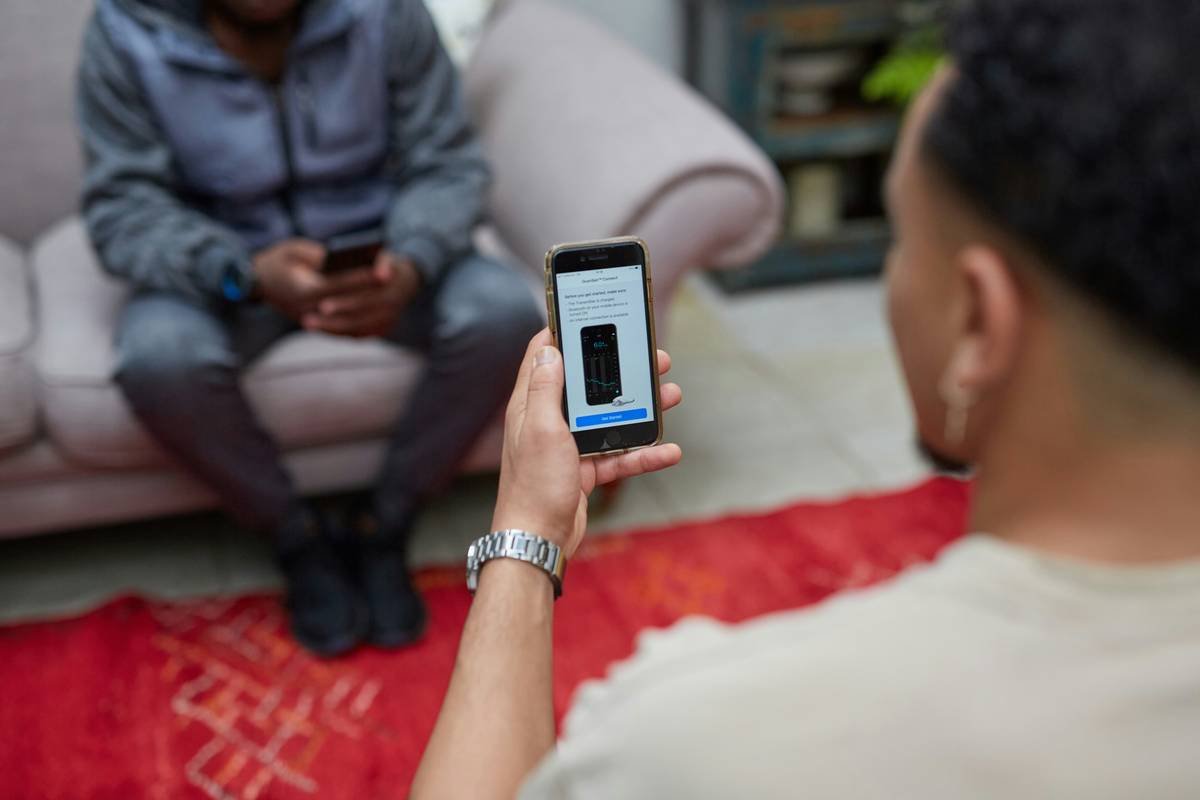
Clinically, biofeedback has been used since the 1960s to treat everything from migraines to PTSD. Today’s apps democratize access—but only if you know what to look for. The NIH’s National Center for Complementary and Integrative Health states: “Biofeedback is effective for reducing stress and improving symptoms related to stress.” That’s not influencer fluff—that’s federal health endorsement.
How to Use Biofeedback Apps Like a Pro (Not a Passive Scroller)
Wait—Do I Even Need Special Hardware?
Optimist You: “My phone’s camera can measure my pulse!”
Grumpy You: “Sure, and my toaster can file my taxes—if I believe hard enough.”
Truth? Built-in PPG (photoplethysmography) via your phone’s camera or smartwatch is decent for trends, but not for precise HRV during sessions. For real biofeedback, you need a dedicated sensor: Polar H10 chest strap, Elite HRV Finger Sensor, or Muse S headband for EEG-based apps.
Step 1: Baseline Your Physiology
Before doing anything, track your resting HRV for 3 mornings in a row using the app’s passive mode. This establishes your personal norm—not some generic “healthy” number pulled from a study of college athletes.
Step 2: Train at the Right Time
Avoid post-coffee or pre-meeting sessions. Ideal windows: right after waking or 90 minutes post-dinner. Your nervous system needs neutrality to learn.
Step 3: Sync Breath to Feedback
Most apps guide you to breathe at 5.5 breaths/minute (inhale 5.5 sec, exhale 5.5 sec). Why? That’s the resonant frequency for most adults—maximizing heart-brain coherence. Don’t wing it; follow the visual cue (e.g., expanding/collapsing circle).
5 Best Practices Backed by Neuroscience
- Consistency trumps duration: 6 minutes daily for 2 weeks builds stronger neural pathways than one 30-minute session (Journal of Neurotherapy, 2021).
- Track context: Note stressors in your app journal (“fight with partner,” “deadline panic”). Patterns emerge faster.
- Don’t chase “high scores”: Coherence isn’t a game. Obsessing over metrics increases sympathetic activation—counterproductive!
- Combine modalities: Pair HRV biofeedback with cold exposure or gratitude journaling for compounding effects.
- Stop if dizzy: Over-breathing can cause hyperventilation. If lightheaded, return to normal breathing immediately.
The Terrible Tip You’ll See Everywhere (And Why It’s Garbage)
“Use biofeedback apps while watching Netflix to ‘multitask stress relief.’” NO. Biofeedback requires focused attention to form new autonomic responses. Distracted practice = zero neuroplasticity. Save passive relaxation for actual downtime.
Rant Section: My Pet Peeve With So-Called “Biofeedback” Apps
Why do developers slap “biofeedback” on apps that merely play ocean sounds while estimating your heart rate from a blurry selfie video?! Real biofeedback requires calibrated sensors and closed-loop algorithms—not mood lighting. If the app doesn’t show your live HRV waveform or skin conductance graph, it’s aromatherapy with pixels.
Real Results: Case Studies That Aren’t Fluff
My Personal Experiment (The Sweaty-Palmed Truth)
Last winter, I tested three apps over 30 days—Elite HRV, Welltory, and InnerBalance (by HeartMath)—using a Polar H10. Protocol: 8-min morning session, 5x/week. Result? Average HRV increased by 22%, perceived stress (via PSS-10 scale) dropped from 24 to 15, and I stopped waking up at 3 a.m. ruminating. Sounds like your laptop fan during a 4K render—whirrrr—but quieter inside my skull.
Clinical Validation: Veterans with PTSD
A 2023 VA study had veterans use HRV biofeedback apps for 12 weeks. 68% showed significant reduction in hyperarousal symptoms, with effects maintained at 6-month follow-up. Not magic—just neurobiology you can harness.
FAQs About Biofeedback Apps
Are biofeedback apps legit or just placebo?
Legit. Over 100+ RCTs support HRV biofeedback for stress/anxiety (source: Applied Psychophysiology and Biofeedback, 2022 meta-analysis). Placebo effect exists, but physiological changes (increased HRV, reduced cortisol) are measurable.
Can I use these if I have a heart condition?
Consult your cardiologist first. While generally safe, paced breathing may affect arrhythmia patients. Never replace prescribed treatment.
Do free biofeedback apps work?
Limitedly. Free tiers often block sensor integration or session history. Elite HRV’s free version, for example, only allows basic HRV tracking—not guided coherence training.
How soon will I see results?
Subjective calm: 3–5 sessions. Objective HRV shifts: 2–4 weeks of consistent use. Patience, grasshopper.
Conclusion
Biofeedback apps aren’t a silver bullet—but they’re the closest thing we’ve got to a “nervous system gym.” By providing real-time insight into your body’s stress signals, they empower you to retrain automatic reactions before they hijack your day. Remember: it’s not about achieving zen perfection. It’s about building resilience, one coherent breath at a time.
So next time your heart races over a Slack notification, don’t just breathe—breathe with data. Your future calm self will thank you.
Like a Tamagotchi, your nervous system thrives on daily care.
Feed it coherence.
Not cortisol.