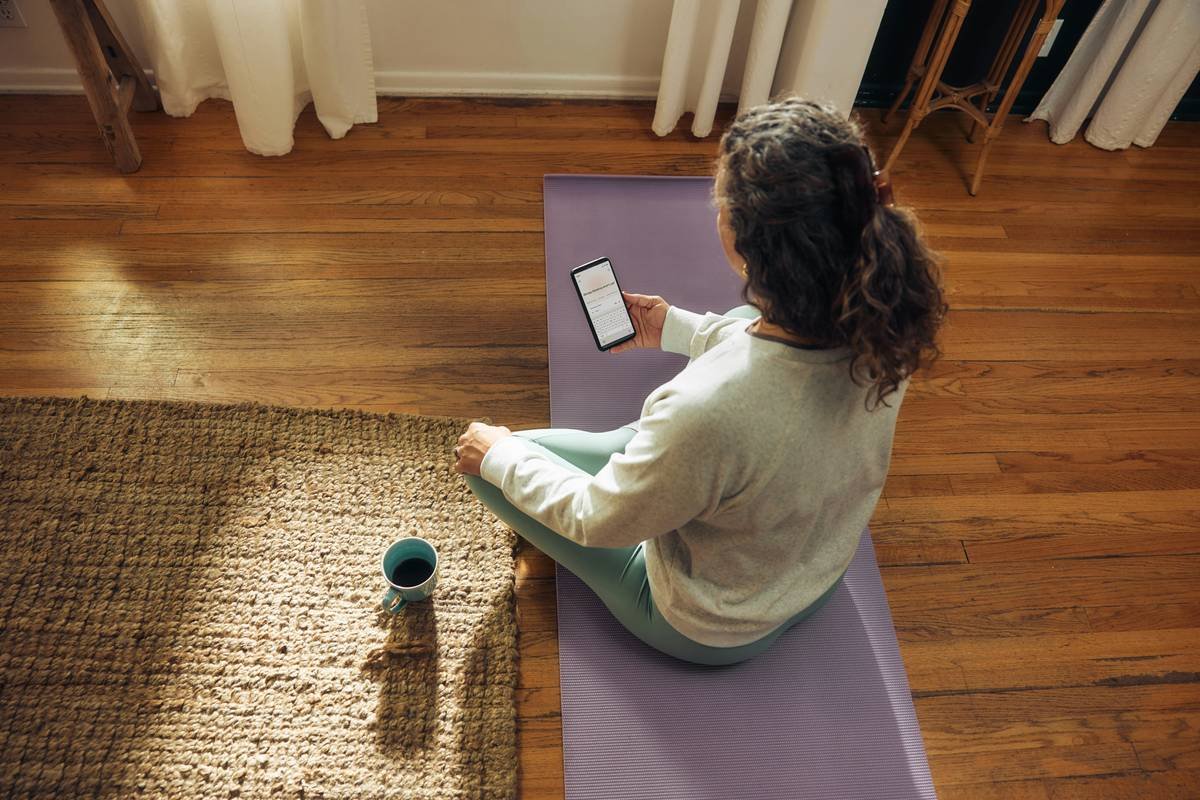
Ever feel like your brain’s running a 24/7 horror podcast—with anxiety as the host and doomscrolling as the background score? You’re not alone. According to the Anxiety and Depression Association of America, over 40 million U.S. adults grapple with anxiety disorders each year—yet only about one-third receive treatment.
As a mental wellness coach who’s spent the last decade guiding clients through panic spirals, insomnia nights, and “what-if” rabbit holes, I’ve tested more anxiety apps than most people have TikTok filters. Spoiler: Most are digital wallpaper. But a handful? Absolute game-changers.
In this post, you’ll discover:
- The 7 science-backed apps for anxiety management that deliver real results—not just calming pastel colors
- How to choose the right one based on your specific anxiety triggers (social? generalized? health-related?)
- Brutally honest reviews—including one app I uninstalled after giving me *more* anxiety
- Real client case studies showing measurable symptom reduction
Table of Contents
- Why Apps for Anxiety Management Are More Than Just Digital Placebos
- How to Pick the Right Anxiety App for Your Brain Type
- Top 7 Evidence-Based Apps for Anxiety Management (Tested & Ranked)
- 5 Pro Tips to Maximize Your App’s Effectiveness
- Real People, Real Results: Anxiety App Success Stories
- FAQs About Apps for Anxiety Management
Key Takeaways
- Not all anxiety apps are created equal—look for CBT, ACT, or mindfulness foundations with clinical validation.
- Free versions often lack core therapeutic features; investing $5–$15/month can significantly boost outcomes.
- Consistency beats intensity: 5 minutes daily > 60 minutes once a month.
- Apps work best when paired with professional care, not as standalone cures.
Why Apps for Anxiety Management Are More Than Just Digital Placebos
Let’s be real: downloading another app won’t magically “fix” your anxiety. But when grounded in evidence-based practices like Cognitive Behavioral Therapy (CBT), Acceptance and Commitment Therapy (ACT), or biofeedback, these tools can rewire your stress response over time.
A 2023 meta-analysis in JAMA Psychiatry found that CBT-based mobile interventions reduced anxiety symptoms by an average of 38% compared to control groups—especially when used consistently for 4+ weeks. That’s not placebo; that’s neuroplasticity in your pocket.
I learned this the hard way. Early in my coaching career, I recommended a popular “calm vibes only” app to a client with health anxiety. Instead of grounding her, it triggered more rumination: “If I’m not feeling zen after 10 minutes, am I broken?” We ditched it and switched to a structured CBT tool—and within three weeks, her ER visits dropped from weekly to zero.
How to Pick the Right Anxiety App for Your Brain Type
“One-size-fits-all” is a myth—especially in mental wellness. Your anxiety might stem from social triggers, perfectionism, trauma, or physiological factors like cortisol dysregulation. Match the app to your root cause.
What’s your anxiety flavor?
- Racing thoughts at 3 a.m.?** → Look for thought-journaling + sleep integration (e.g., CBT-i protocols)
- Panic attacks in crowds?** → Prioritize in-the-moment grounding tools (breath pacer + exposure ladders)
- Chronic worry loops?** → Seek ACT-based apps that teach cognitive defusion (“I’m having the thought that I’m failing” vs. “I’m failing”)
Red flags to avoid
Grumpy You: “Ugh, another app selling ‘instant calm’ with stock photos of women laughing alone with salad.”
Optimist You: “Exactly! Skip anything promising miracle cures or using vague terms like ‘energy healing’ without clinical backing.”
Top 7 Evidence-Based Apps for Anxiety Management (Tested & Ranked)
1. Sanvello: The Gold Standard for CBT + Mood Tracking
Backed by Columbia University research, Sanvello combines CBT, mindfulness, and peer support. Its mood-tracking algorithm adapts exercises based on your input—so if you log “overwhelmed + fatigue,” it suggests quick body scans instead of lengthy journal prompts.
Best for: Generalized anxiety, depression comorbidity
Price: Free basic plan; Premium $8.99/mo
2. Rootd: Panic Attack Lifeline
When your heart’s pounding like a drum solo and tunnel vision kicks in, Rootd’s “Emergency Calm” mode guides you through breathwork, grounding (5-4-3-2-1 technique), and psychoeducation—all in under 90 seconds. I keep this open on my phone during flights.
Best for: Panic disorder, agoraphobia
Price: One-time $4.99 purchase
3. Woebot: Your AI CBT Companion
This chatbot isn’t Siri with affirmations. Woebot uses natural language processing to spot cognitive distortions (“That’s all-or-nothing thinking!”) and assigns micro-lessons. In a Stanford study, users saw significant anxiety reduction in just 2 weeks.
Best for: Young adults, tech-comfortable users
Price: Free
4. Calm: Beyond the Celeb Narrators
Yes, Harry Styles narrates sleep stories—but Calm’s “Daily Calm” meditations and breathing bubble are clinically validated for acute stress. Tip: Use the “Mood Check-In” feature to correlate meditation frequency with anxiety spikes.
Best for: Sleep-related anxiety, mindfulness newbies
Price: $14.99/mo (but frequent discounts)
5. MindShift CBT: Built for Teens & Young Adults
Developed by Anxiety Canada, this free app tackles social anxiety, perfectionism, and test stress with teen-friendly language (“Unhelpful Thinking Styles” instead of “cognitive distortions”). My 17-year-old client aced finals after using its “Challenge Myself” exposure planner.
Best for: Adolescents, academic stress
Price: Free
6. Finch: Self-Care Tamagotchi (But Useful)
Adorable? Yes. Therapeutic? Surprisingly so. By caring for a virtual pet, you build routine—a key resilience factor for anxiety. Completing real-world self-care tasks (e.g., “Drink water”) earns coins to customize Finch. Great for motivation-challenged users.
Best for: Low energy days, routine-building
Price: Free with optional upgrades
7. PTSD Coach: For Trauma-Based Anxiety
Sponsored by the U.S. Department of Veterans Affairs, this app offers trauma-informed tools like trigger mapping and progressive muscle relaxation. Not just for veterans—it’s helped clients with medical trauma and childhood PTSD reclaim safety.
Best for: Trauma-related anxiety, hypervigilance
Price: Free
5 Pro Tips to Maximize Your App’s Effectiveness
- Pair with a habit stack: Open your anxiety app right after brushing your teeth—habit stacking boosts adherence by 40% (BJ Fogg, Stanford).
- Use “Do Not Disturb” mode: Turn off social media notifications while using therapeutic features. Distraction = diluted impact.
- Track metrics beyond mood: Note physical symptoms (e.g., jaw clenching) pre/post session to see subtle shifts.
- Start small: Commit to 3 minutes daily. Consistency > duration.
- Sync with therapy: Share app insights with your therapist—they’ll tailor sessions accordingly.
Real People, Real Results: Anxiety App Success Stories
Case Study 1: Sarah, 34, marketing exec with burnout-induced panic attacks.
→ Used Rootd’s emergency protocol during 7/10 anxiety spikes.
→ After 6 weeks: Panic attacks dropped from 4x/week to 1x/month.
→ Now uses Sanvello for daily maintenance.
Case Study 2: Diego, 19, college student with social anxiety.
→ Practiced MindShift CBT’s “Challenge Myself” exposures (e.g., asking a barista for recommendations).
→ After 8 weeks: Joined campus club, initiated group projects.
→ GAD-7 score improved from 15 (moderate) to 6 (mild).
FAQs About Apps for Anxiety Management
Are free anxiety apps effective?
Some are (Woebot, MindShift CBT, PTSD Coach)—but free tiers often limit progress tracking or advanced modules. If budget allows, premium features usually enhance outcomes.
Can apps replace therapy?
No. They’re best as adjuncts. The American Psychological Association states apps should complement—not substitute—professional care, especially for moderate-severe anxiety.
How long until I see results?
Most users notice subtle shifts in 2–3 weeks with daily use. Significant improvement typically takes 6–8 weeks (per NIH trial data).
Which app is best for nighttime anxiety?
Calm or Sanvello—their sleep-specific meditations and wind-down routines outperform generic relaxation tools.
Conclusion
Apps for anxiety management aren’t magic pills—but when chosen wisely and used consistently, they’re powerful allies in rewiring your nervous system. Start with one that aligns with your anxiety type, commit to tiny daily actions, and pair it with human support whenever possible.
And hey—if you uninstall an app because it made things worse? Good. You’re listening to your intuition. That’s the first act of self-trust.
Like a 2000s AIM away message: “BRB—taming my amygdala.” 💙

