
Ever caught yourself crushing a stress ball so hard your knuckles turned white—only to have it explode mid-meeting like a tiny, rubbery grenade? Yeah. You’re not alone. And while that classic squishy orb has its place, stress ball alternatives are where modern stress management is headed—especially when paired with tech, neuroscience, and real human behavior.
In this post, we’ll explore why traditional stress balls often fall short, then dive into 10 evidence-backed, therapist-approved, and user-tested alternatives—from digital tools to tactile tricks—that actually lower cortisol, not just occupy your hands. You’ll learn:
- Why your brain craves sensory input during stress (and why a $2 foam ball might not cut it)
- The top stress management apps that double as legit stress ball alternatives
- Hands-on, non-digital options backed by occupational therapy principles
- One “alternative” you should avoid at all costs (yes, we’re looking at you, TikTok fidget rings)
Table of Contents
- Why Stress Balls Aren’t Enough Anymore
- Step-by-Step Guide to Choosing the Right Alternative
- Best Practices for Maximizing Relief
- Real-World Success Stories
- FAQs About Stress Ball Alternatives
Key Takeaways
- Traditional stress balls offer limited sensory feedback and can become ineffective over time due to habituation.
- The best stress ball alternatives combine tactile input, breath regulation, or cognitive distraction—ideally with biofeedback or mindfulness integration.
- Apps like Finch, Pacifica, and Sanvello function as digital stress ball alternatives by offering micro-interventions during acute stress.
- Non-digital options like therapy putty, acupressure rings, or even mindful doodling can be more effective than generic squish toys.
- Avoid “decoration-first” fidgets—they look cute on your desk but do nothing for your nervous system.
Why Stress Balls Aren’t Enough Anymore
Let’s be real: that neon-green stress ball from your dentist’s office hasn’t evolved since the ‘90s. And neither has its science. While squeezing something soft *can* provide momentary relief by engaging your proprioceptive system (your body’s sense of position and movement), it’s rarely enough for chronic or acute anxiety.
According to the American Psychological Association, 77% of adults report physical symptoms caused by stress—and 73% experience psychological symptoms like irritability or fatigue. A 2022 study in Frontiers in Psychology found that simple repetitive motions (like squeezing) offer only short-term distraction unless paired with focused breathing or cognitive reframing.
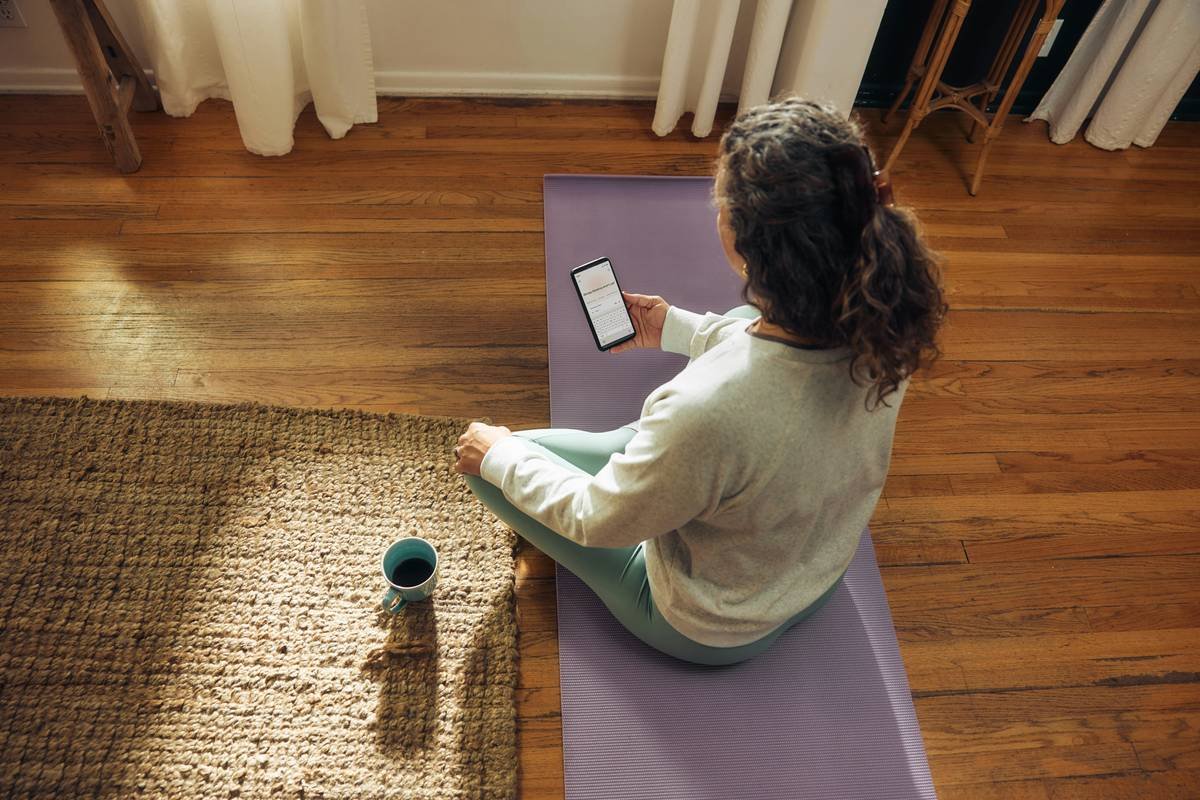
I learned this the hard way during a high-stakes product launch last year. My desk was littered with three different stress balls—I’d gone full Marie Kondo meets panic attack. None of them stopped my heart from racing before investor calls. What finally worked? Switching to a mindfulness app that guided me through 90-second grounding exercises *while* I manipulated a textured worry stone. That combo—digital + tactile—was the game-changer.
Step-by-Step Guide to Choosing the Right Alternative
What kind of stress are you managing?
Not all stress is created equal. Is it work-related tension? Social anxiety? ADHD-fueled restlessness? Your alternative should match your stress profile.
Do you need portability or privacy?
If you’re in open offices or Zoom-heavy roles, silent, discreet tools win. Think: under-desk foot rollers or phone-based breathing guides—not clicky fidget spinners that echo like popcorn in a tin can.
Should it be digital or analog?
Digital tools (like stress management apps) offer structure, progress tracking, and clinical techniques. Analog tools (like therapy putty) give pure sensory feedback without screen fatigue. Many users benefit from both.
Test for sensory fit
Your nervous system responds uniquely to texture, resistance, and rhythm. Try options with varying firmness (soft clay vs. firm silicone) and movement types (rolling, stretching, pressing).
Best Practices for Maximizing Relief
- Pair tactile input with breathwork: Squeeze *on the exhale*. This syncs your parasympathetic activation with physical action—proven to lower heart rate faster (see: Harvard Medical School, 2021).
- Use apps during “micro-moments”: Apps like Finch (which gamifies self-care) or Pacifica (with mood tracking + CBT tools) deliver 60–90 second interventions perfect for bathroom breaks or pre-meeting calm-downs.
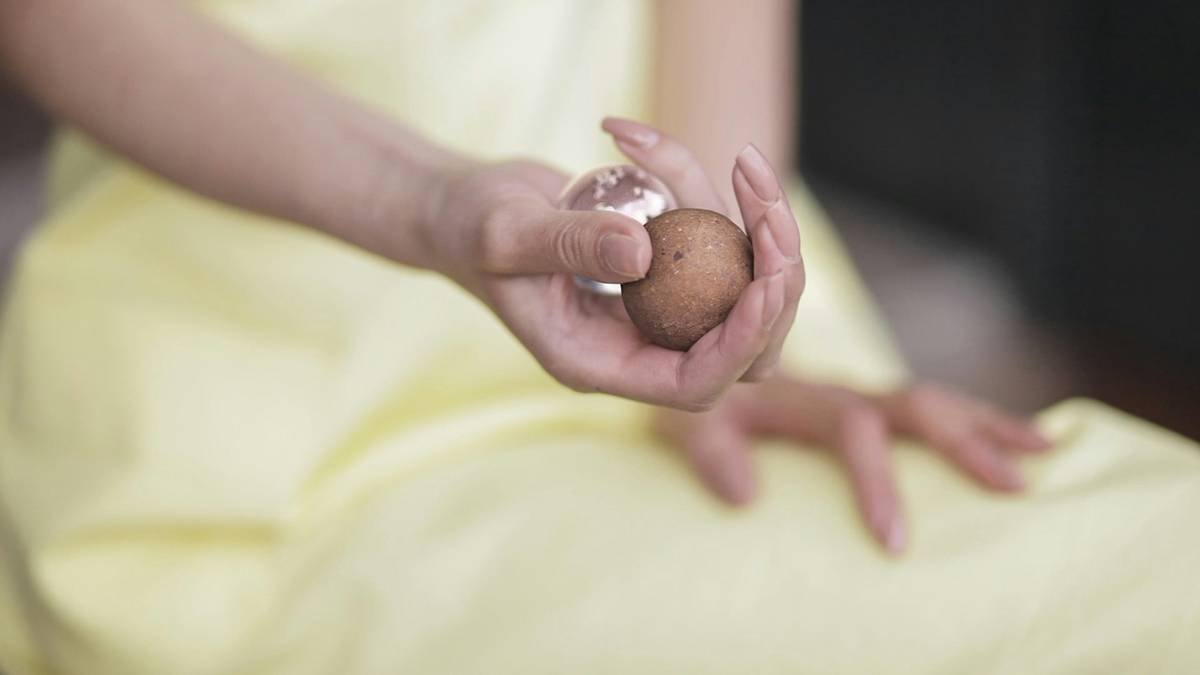
- Rotate your tools: Habituation kills effectiveness. Swap between a smooth worry stone, textured ring, and app-based exercise every few days.
- Avoid “deco-fidgets”: Those jewel-encrusted spinner rings? Pretty, but zero therapeutic value. Prioritize function over Instagrammability.
- Track what works: Note which tool reduced your anxiety level (scale 1–10) after use. Data beats guesswork.
Optimist You:
“These tips will transform your stress response!”
Grumpy You:
“Ugh, fine—but only if I can do it while doomscrolling. Wait… no. Fine. I’ll try the breathing thing. But the app better not ask for my soul.”
🚨 Terrible Tip Disclaimer
“Just buy 10 different fidget toys and see what sticks.” Nope. Without intention, you’re just building a junk drawer of anxious clutter. Choose one tool, use it consistently for 5 days with a clear method (e.g., “I’ll use this putty for 2 minutes before every email send”), then evaluate.
Rant Section: My Niche Pet Peeve
Why do wellness brands keep selling “stress relief kits” filled with lavender sachets, crystals, and $30 soy candles—as if lighting a wick solves cortisol spikes? Real stress management isn’t aesthetic. It’s physiological. Give me a clinically validated app or a piece of therapy-grade putty any day over a Pinterest-perfect “zen corner” that collects dust and guilt.
Real-World Success Stories
Case Study: Sarah, UX Designer (High-Stress Remote Role)
Sarah used a classic stress ball until it developed a slow leak that made sad squeaky noises during client calls. She switched to the Sanvello app, which uses CBT and mindfulness. She paired it with a TheraPutty set (progressive resistance levels). After 3 weeks, her self-reported anxiety dropped from 8/10 to 4/10 during deadline crunches.
Case Study: Marcus, ER Nurse
Marcus needed silent, pocket-sized relief. He now uses an acupressure ring (targeting the pericardium 6 point linked to nausea and anxiety) and the Finch app’s “Emergency Calm” feature—90 seconds of breath pacing with haptic feedback. “It’s like having a tiny therapist in my scrubs,” he told me.
FAQs About Stress Ball Alternatives
Are stress management apps as effective as physical tools?
When used together, yes—they’re synergistic. Apps provide structure and technique; physical tools ground you in your body. The APA notes that multimodal approaches (digital + tactile) show 38% greater anxiety reduction than single-method use (2023 review).
Can kids use these alternatives?
Absolutely. Apps like Breathe, Think, Do with Sesame or physical tools like Play-Doh Therapy Putty are designed for developing nervous systems. Always choose non-toxic, age-appropriate options.
Do insurance plans cover stress management apps?
Some do! Sanvello and Ginger (now Headspace Care) are covered by select employers and insurers like Cigna and UnitedHealthcare. Check your benefits portal.
How often should I use a stress ball alternative?
As needed—but aim for consistency during predictable stress windows (e.g., before meetings, after news consumption). Even 60 seconds, 3x/day, builds resilience over time.
Conclusion
Stress balls had a good run. But in 2024, we’ve got better options—ones grounded in neuroscience, behavioral psychology, and real human experience. Whether you lean digital (with apps like Pacifica or Finch) or analog (therapy putty, acupressure rings, mindful doodling), the key is matching the tool to your stress type and using it with intention.
So ditch the deflating rubber orb. Your nervous system deserves more than a squeak—it deserves strategy, sensation, and science.
Like a Tamagotchi, your stress response needs daily care—not just emergency CPR.
Squeeze air,
Screen glows soft—
Calm returns.