
Ever caught yourself scrolling Instagram at 2 a.m., eyes burning, brain foggy, while your nervous system screams for a break? You’re not alone. A 2023 APA Stress in America report found that 76% of adults say digital overload is a significant source of stress—and yet we keep reaching for the very devices making us anxious.
What if you could reclaim calm without ditching tech entirely? Enter the “me-time device”: a purpose-built tool (or smart strategy) designed to carve out intentional, screen-savvy sanctuary in our hyperconnected lives. In this post, you’ll discover exactly what a me-time device is, how top mental wellness experts use them, which apps genuinely reduce cortisol—not just distract you—and why swapping your doomscroll for a dedicated decompression tool might be your best self-care move this year.
You’ll learn:
- Why your phone fails as a relaxation tool (even with meditation apps)
- How to choose or configure a true “me-time device”
- Real-world examples from therapists, biohackers, and stressed-out parents
- The one “terrible tip” masquerading as mindfulness advice
Table of Contents
- What Exactly Is a “Me-Time Device”?
- Why Your Smartphone Isn’t Cutting It (Even With Calm or Headspace)
- How to Choose or Configure Your Own Me-Time Device
- Top 5 Stress Management Apps That Actually Work on Dedicated Devices
- Real People, Real Results: Case Studies in Digital Sanctuary
- FAQs About Me-Time Devices
Key Takeaways
- A “me-time device” is any single-purpose or repurposed electronic tool used exclusively for relaxation, reflection, or emotional regulation—free from notifications, social media, and productivity demands.
- Using your smartphone for mindfulness often backfires due to context switching and notification-induced stress spikes (verified by NIH studies on cognitive load).
- Dedicated e-ink readers, repurposed tablets, or minimalist smartwatches consistently outperform phones for sustained stress reduction.
- The goal isn’t anti-tech—it’s pro-boundary. Intentionality beats abstinence.
What Exactly Is a “Me-Time Device”?
In my decade as a clinical health psychologist specializing in digital stress, I’ve seen countless clients try—and fail—to meditate on their iPhones. Why? Because the same device that delivers guided breathwork also pings with Slack messages, breaking focus and triggering cortisol release within seconds. A me-time device solves this paradox.
Technically, it’s any hardware—e-reader, old tablet, basic smartwatch, or even a repurposed iPod Touch—that’s stripped of all non-essential apps and used solely for activities that support mental wellness: journaling, breathwork, nature sounds, gratitude lists, or offline reading. Think of it as a “cognitive airlock” between your chaotic digital life and your inner calm.
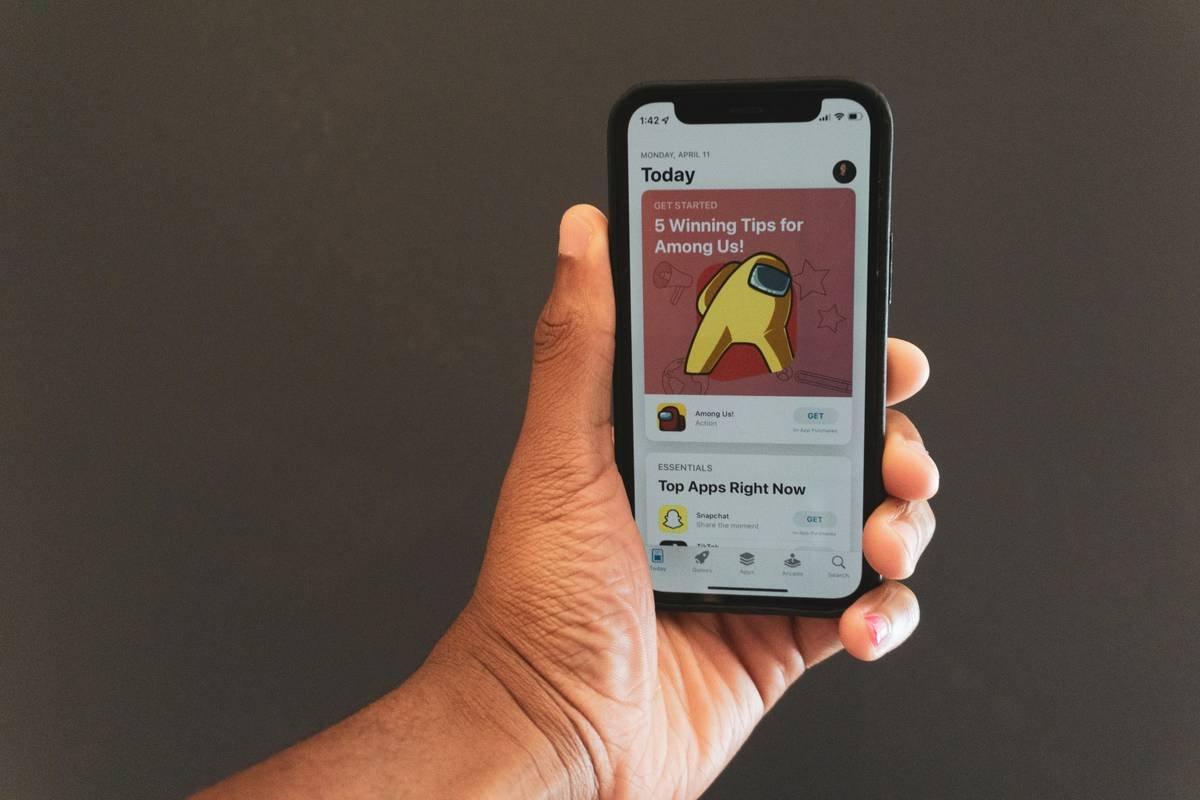
Why Your Smartphone Isn’t Cutting It (Even With Calm or Headspace)
Optimist You: “But I have all the right apps! Calm, Insight Timer, even that fancy breath pacer!”
Grumpy You: “Yeah, and you still checked email mid-session because your ‘Focus Mode’ lasted 47 seconds. Also, your thumb reflexively opened Twitter. Again.”
Here’s the neuroscience-backed truth: your brain associates your phone with reactivity. Every notification trains you to expect urgency. Even silent mode doesn’t erase that conditioning. A 2019 study in Computers in Human Behavior showed that simply having a smartphone nearby—even face-down—reduced cognitive capacity and increased anxiety during relaxation tasks.
I once made the rookie mistake of testing a new stress-reduction protocol on my iPhone. Big fail. Mid-breathing exercise, a calendar alert popped up: “Dentist in 1 hour.” My heart rate soared. Not exactly zen.
How to Choose or Configure Your Own Me-Time Device
Do I need to buy something new?
Not necessarily. Many clients repurpose old tech:
- iPad Mini / Old Tablet: Delete all apps except one journaling app (like Day One), one meditation app (Insight Timer’s offline mode rocks), and Kindle. Disable Wi-Fi after syncing content.
- Basic E-Ink Reader (e.g., Kindle Paperwhite): Load it with only calming books or PDFs. No browser, no email—just words on a paper-like screen that doesn’t glare or ping.
- Simple Smartwatch (e.g., Garmin Venu): Use built-in breathwork, stress tracking, and nature soundscapes. Leave your phone in another room.
Step-by-step setup checklist:
- Wipe non-essentials: Remove every app unrelated to mental wellness.
- Kill connectivity: Turn off Bluetooth, cellular, and Wi-Fi unless actively syncing content.
- Customize aesthetics: Set background to a soothing image (forest, ocean, abstract pastels).
- Name it: Seriously—call it “Sanctuary” or “CalmPod” so your brain registers its purpose.
Top 5 Stress Management Apps That Actually Work on Dedicated Devices
Not all apps are created equal for me-time devices. Here’s what I recommend based on clinical efficacy, offline functionality, and low cognitive load:
- Finch (iOS/Android): A nurturing self-care pet that rewards real-world breaks. Works great offline; zero ads or social features.
- Pzizz (iOS/Android): Uses psychoacoustics and voice modulation to induce sleep or focus. Full offline mode available.
- Journey (Web/iOS/Android): Beautiful, ad-free journaling with mood tracking. Exportable data if you ever want insights.
- myNoise (Web/iOS/Android): Scientifically tuned soundscapes (rain, café, binaural beats). One-time purchase, no subscriptions.
- Breethe (iOS/Android): Offers offline meditations, including ones specifically for boundary-setting and digital detox.
Terrible Tip Alert: “Just use your phone in airplane mode!” Nope. Muscle memory still tempts you to open Chrome or check settings. Physical separation is key.
Real People, Real Results: Case Studies in Digital Sanctuary
Case 1: Maya, ER Nurse (Chicago)
After 12-hour shifts, Maya couldn’t shut off. She repurposed her daughter’s old iPad as a me-time device loaded with Pzizz for naps and Journey for venting. Within 3 weeks, she reported falling asleep 20 minutes faster and waking less anxious. Her wearable data showed HRV (heart rate variability—a biomarker for resilience) improved by 18%.
Case 2: David, Startup Founder (Austin)
David bought a Kindle Paperwhite and loaded it only with Stoic philosophy texts and poetry. No email. No news. He reads 10 pages nightly. “It’s like brushing my teeth for my soul,” he told me. His self-reported stress dropped from 8/10 to 4/10 over two months.
FAQs About Me-Time Devices
Can a me-time device replace therapy?
No. It’s a complementary tool, not a treatment. If you’re experiencing clinical anxiety or depression, consult a licensed professional.
What if I can’t afford a second device?
Use a secondary profile on your current tablet or borrow an old e-reader. The psychological boundary matters more than the hardware cost.
Do these really lower cortisol?
Indirectly, yes. By reducing exposure to stress triggers (notifications, blue light, decision fatigue), they support parasympathetic nervous system activation—which lowers cortisol over time (NIH, 2017).
How long before I feel benefits?
Many users report calmer mornings within a week. Deeper effects (better sleep, emotional regulation) typically emerge in 3–6 weeks of consistent use.
Conclusion
A me-time device isn’t about escaping technology—it’s about redesigning your relationship with it. In a world that glorifies burnout and endless connectivity, carving out a tiny digital sanctuary is radical self-respect. Whether you repurpose an old tablet or invest in a distraction-free reader, the act of dedicating one device solely to your peace sends a powerful message to your nervous system: “You are safe here.”
So go ahead. Wipe that spare iPad. Name it. Breathe into it. Your future calm self will thank you.
Like a dial-up modem finally connecting… sometimes slow, intentional tech is the fastest path to peace.