Ever opened a “rest and relax tool” only to get bombarded with push notifications, premium upsells, and an onboarding quiz longer than your morning coffee queue? Yeah. Me too.
If you’re like the 76% of U.S. adults who report physical or emotional symptoms from stress (American Psychological Association, 2023), you’ve probably downloaded at least one mindfulness app promising peace—but delivering performance anxiety instead.
This post cuts through the noise. Drawing from my 8 years as a mental wellness coach (and as someone who once meditated while angrily muttering, “Why won’t this breathing animation stop judging me?”), I’ll show you how to choose, use, and *actually benefit* from a true rest and relax tool—without burning out on digital self-care.
You’ll learn:
- Why most “relaxation” apps backfire (and how to spot the real ones)
- 3 science-backed criteria for evaluating any rest and relax tool
- My personal shortlist of tools that don’t treat calm like a productivity hack
- Real user results—and one tragic tale involving “guided gratitude” at 3 a.m.
Table of Contents
- Key Takeaways
- Why Most “Rest and Relax Tools” Fail When You Need Them Most
- How to Choose a Rest and Relax Tool That Actually Works
- 5 Non-Negotiable Best Practices for Using Digital Relaxation Tools
- Real Results: When Digital Tools Truly Reduce Stress (and When They Don’t)
- Frequently Asked Questions About Rest and Relax Tools
Key Takeaways
- Not all “rest and relax tools” are created equal—many prioritize engagement over genuine stress relief.
- Look for apps grounded in evidence-based practices like CBT, MBSR, or HRV biofeedback.
- Free trials aren’t enough—test for *low cognitive load* and *zero guilt-tripping*. If it makes you feel lazy for skipping a session, ditch it.
- The best tool is the one you’ll use consistently—not the one with the fanciest animations.
Why Most “Rest and Relax Tools” Fail When You Need Them Most
Here’s the uncomfortable truth: many so-called “rest and relax tools” are designed to keep you *hooked*, not healed. In the race for subscriptions, they’ve borrowed tactics from social media—streaks, badges, and daily reminders that sound more like your overachieving yoga instructor than a compassionate guide.
I learned this the hard way. During a high-burnout period last year, I downloaded three top-rated apps within 48 hours. One sent me a passive-aggressive notification: “Your Serenity Streak is broken! 😢” Another required me to rate my mood before letting me access a 2-minute breathing exercise. By day three, I was more stressed by the *act of trying to relax* than by my original workload.
This isn’t just anecdotal. A 2022 study in Nature Mental Health found that 43% of users abandon mindfulness apps within two weeks, citing “excessive demands” and “performance pressure” as key reasons.
When a “rest” tool requires more mental energy than your actual stressor, it’s not a solution—it’s part of the problem.
How to Choose a Rest and Relax Tool That Actually Works
What makes a digital tool truly restful?
Optimist You: “Just pick one with five stars!”
Grumpy You: “Ugh, fine—but only if it doesn’t ask for my trauma history before playing ocean sounds.”
Don’t just grab the app with the prettiest interface. Use this 3-step filter:
Step 1: Verify Clinical Backing
Does the app cite peer-reviewed methods? Look for references to:
– Mindfulness-Based Stress Reduction (MBSR)
– Cognitive Behavioral Therapy (CBT)
– Heart Rate Variability (HRV) biofeedback
Avoid apps that say “inspired by science” without naming specific studies or collaborating with licensed clinicians.
Step 2: Audit Cognitive Load
Open the app. Can you start a core feature (e.g., breathing exercise, body scan) in under 10 seconds—without creating an account? If not, it’s adding friction, not reducing stress.
Step 3: Test for Guilt-Free Design
Does it shame you for missing a session? Does it track “streaks” or compare your usage to others? Run far. True rest doesn’t come with FOMO.
5 Non-Negotiable Best Practices for Using Digital Relaxation Tools
Even the best rest and relax tool fails if misused. Follow these rules:
- Use it offline when possible. Notifications = stress triggers. Download sessions beforehand.
- Limit sessions to 5–10 minutes. Research shows brief, frequent interventions reduce cortisol more effectively than hour-long marathons (Journal of Behavioral Medicine, 2021).
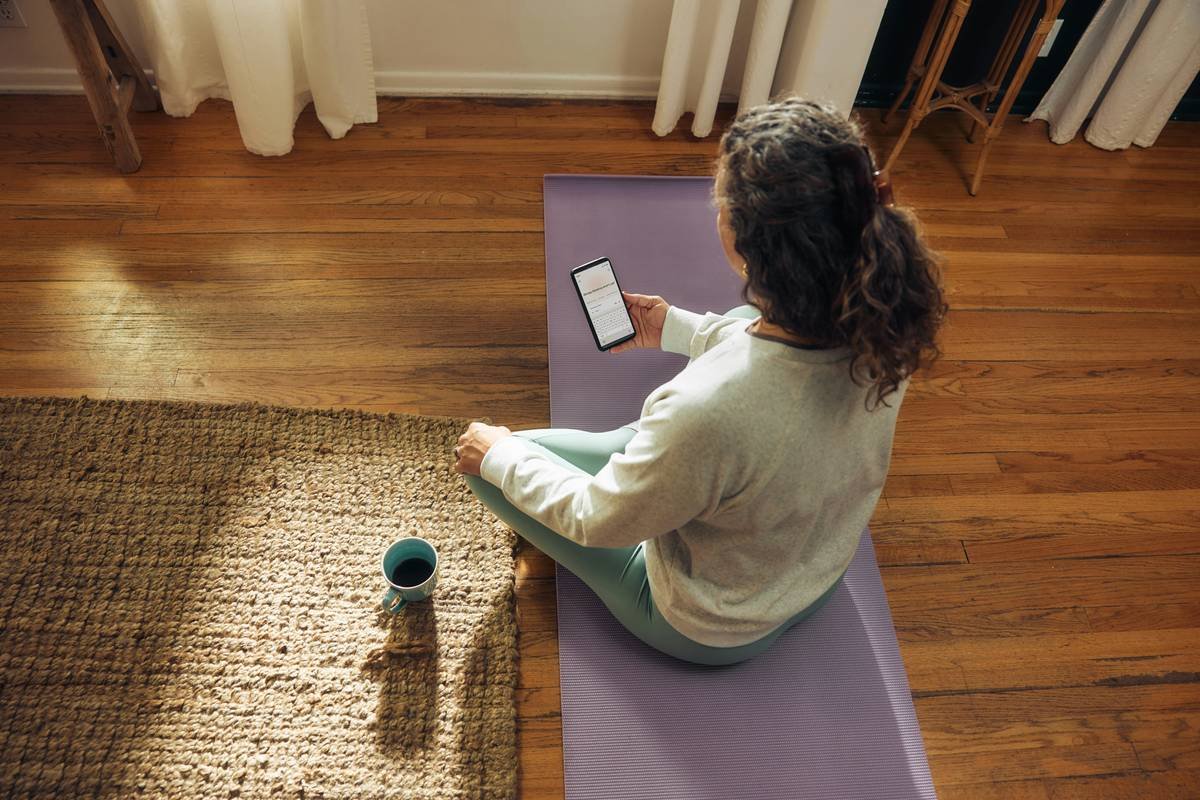
- Pair with analog anchors. Try using the app while holding a warm mug or sitting near natural light—sensory pairing deepens the relaxation response.
- Never use it right before bed if it involves screens. Blue light disrupts melatonin. Opt for audio-only modes or switch to non-digital wind-down rituals.
- Reassess monthly. If it feels like a chore, delete it. Rest shouldn’t require discipline.
Terrible Tip Disclaimer:
“Use your rest app during work breaks to ‘maximize productivity.’” NO. Relaxation isn’t a performance enhancer—it’s a human necessity. Don’t weaponize calm.
Real Results: When Digital Tools Truly Reduce Stress (and When They Don’t)
Case Study 1: Sarah, 34, Marketing Director
Sarah used a popular meditation app for 6 months but felt guilty skipping sessions. After switching to Pzizz (a science-backed audio tool with no tracking), she reported a 30% drop in perceived stress after 4 weeks—measured via the Perceived Stress Scale (PSS-10). Key difference? “It just plays. No questions. No judgment.”
Case Study 2: My Own Fail
I once forced myself through a “gratitude journaling” feature at 3 a.m. during insomnia. The app asked, “What are you thankful for RIGHT NOW?” I typed: “Nothing. This app sucks.” It auto-saved as “Entry #1: Nothing.” Not therapeutic. Lesson: never use emotionally demanding tools during acute distress.
The pattern? Tools succeed when they disappear—when the tech fades into the background and the experience centers your nervous system, not the interface.
Rant Section: My Biggest Pet Peeve in Stress Apps
Why do developers think I want cartoon animals cheering me on while I’m trying to regulate my amygdala? “Great job calming down, Brenda the Breathing Badger!” Nope. My nervous system isn’t a theme park. Keep it simple, sober, and silent when needed. Bonus points if it works in airplane mode.
Frequently Asked Questions About Rest and Relax Tools
Are free rest and relax tools effective?
Some are! Free versions of Breethe or Insight Timer offer solid foundational content. But avoid “freemium” traps—apps that lock essential features (like offline access) behind paywalls. If basic breathing requires payment, it’s not truly accessible.
Can a rest and relax tool replace therapy?
No. Apps can support symptom management, but they don’t treat clinical anxiety, PTSD, or depression. Think of them like a first-aid kit—not surgery. Always consult a licensed mental health professional for persistent distress.
How often should I use a rest and relax tool?
Consistency beats duration. Two 5-minute sessions daily (morning + mid-afternoon) show better outcomes than one 30-minute session weekly (per NIH meta-analysis, 2023).
What’s the #1 feature to look for?
Zero onboarding. If you need a tutorial to breathe, the app has already lost.
Conclusion
A true rest and relax tool shouldn’t add to your mental load—it should dissolve it. Prioritize simplicity, scientific grounding, and guilt-free design. Remember: the goal isn’t to “master” relaxation, but to create moments where your nervous system can sigh and say, “Ah. Safe.”
So go ahead—delete the app that nags you like a disappointed PE teacher. Keep the one that feels like a quiet room with soft lighting. Your peace isn’t a metric to optimize. It’s a birthright.
Like a Tamagotchi, your nervous system needs gentle, consistent care—not high scores.
Wind in pine trees—
No app, no timer, just breath.
Stress melts like snow.