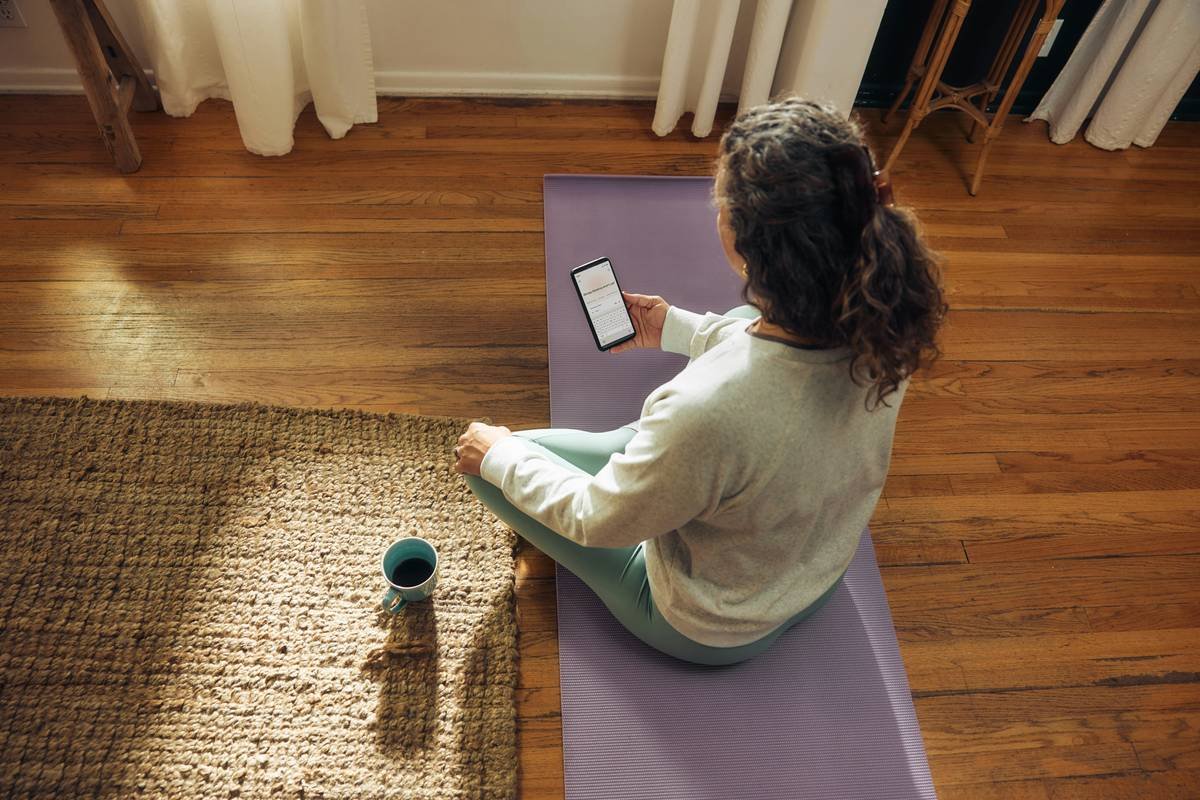
You feel it—the tight chest, the racing thoughts, the sleepless nights. You’ve tried deep breathing, journaling, even that lavender tea everyone swears by. But the relief? Fleeting. What if your phone—often blamed for stress—could actually become your quiet ally? Enter the stress and anxiety companion app: not a cure-all, but a calibrated tool for real-time emotional regulation.
Why Traditional Stress Management Often Falls Short
Most techniques assume you have time, space, and mental clarity to implement them. Reality? You’re juggling work deadlines, family needs, and existential dread—all before lunch. And mindfulness apps that drone on for 30 minutes? They ignore the fact that acute anxiety strikes in 90-second neurochemical surges—not during your scheduled “me time.”
Here’s the reality: generic advice doesn’t scale to individual nervous system responses. Two people facing the same trigger can have wildly different physiological reactions. A one-size-fits-all meditation won’t cut it.
How to Choose and Use a Stress and Anxiety Companion App That Actually Works
Not all digital tools are created equal. The right app meets you where you are—emotionally, cognitively, and contextually. Below is a practical comparison of what matters most:
| Feature | Basic Meditation Apps | Dedicated Stress and Anxiety Companion App |
|---|---|---|
| Real-Time Intervention | No—requires pre-scheduled sessions | Yes—uses biofeedback or mood tracking to offer in-the-moment support |
| Personalization | Low—same content for all users | High—adapts tone, length, and technique based on user input & usage patterns |
| Cognitive Reframing Tools | Rarely included | Built-in CBT exercises, thought records, and grounding prompts |
| Offline Accessibility | Limited | Fully functional during flights, commutes, or low-signal zones |
| Cost (Monthly) | $0–$15 | $8–$20 (but often includes clinical-grade features) |
Look for Micro-Interventions, Not Marathon Meditations
Effective stress management isn’t about hour-long retreats—it’s about 60-second resets. The best stress and anxiety companion app delivers micro-tools: a 3-breath anchor, a sensory check-in (“Name 3 things you hear”), or a gentle reminder: “This feeling is temporary.”
Prioritize Context-Aware Design
If you’re overwhelmed at work, you don’t need ocean sounds—you need a discreet, text-based prompt that fits between Slack messages. Apps that adjust based on time of day, location, or recent activity win long-term adherence.
Avoid “Wellness Theater”
Some apps bombard you with affirmations while ignoring behavioral science. Skip anything promising “instant calm” or using vague spiritual jargon. Real mental wellness tech leans on evidence—ACT, DBT, or polyvagal theory—not platitudes.
The Industry Secret No One Talks About
Most developers design these apps for retention—not recovery. They optimize for daily opens, not emotional resilience. But here’s what works behind the scenes: habit stacking with distress tolerance.
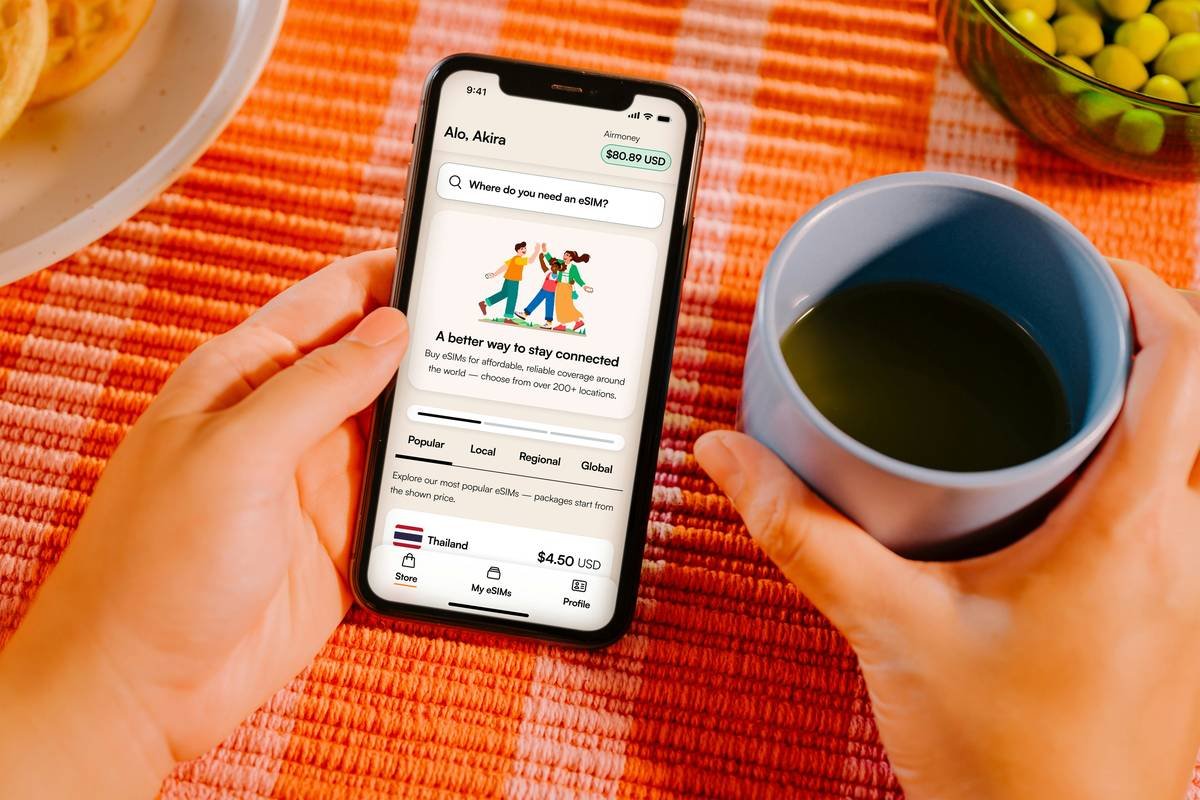
Imagine this: every time you unlock your phone, the app detects elevated heart rate (via wearable sync) and offers a 20-second paced breathing exercise—before you even open Instagram. It piggybacks on an existing habit (checking your phone) to insert regulation. That’s not magic—it’s behavioral architecture. And it’s why some users report 40% fewer panic spikes within three weeks.
But—and this is critical—the app must fade into the background over time. True success isn’t dependency; it’s internalization. The best tools make themselves obsolete by teaching you to self-soothe without them.
Frequently Asked Questions
Can a stress and anxiety companion app replace therapy?
No. These apps are adjunct tools—not substitutes for licensed care. They’re best used alongside professional support or for mild-to-moderate situational stress.
How quickly do these apps show results?
Many users notice subtle shifts in 3–5 days with consistent use. But lasting change requires 2–4 weeks of daily micro-engagements, not occasional deep dives.
Are free stress apps as effective as paid ones?
Rarely. Free versions often lack personalization, offline access, or clinical validation. Paid tiers usually unlock adaptive algorithms that respond to your unique stress signature.